
Google AI Overviews in 2026
If customers are asking Google detailed questions before choosing a service or buying a product, your website needs to be useful at that decision point. Google AI Overviews can summarize answers and show links to supporting websites. You cannot purchase or guarantee those placements, but you can improve your site’s eligibility, clarity, and usefulness.
Quick answer: To prepare for Google AI Overviews, make sure important pages are crawlable, indexed, and eligible for search snippets. Publish original answers that match customer intent, support important claims with evidence, strengthen relevant internal links, maintain accurate local or product information, and measure your results in Google Search Console. Google’s official guidance says no special AI-only schema is required.
What Are Google AI Overviews?
Google AI Overviews are AI-generated summaries that Google displays for some searches when an explanation can add value. They may include links to relevant websites that help people investigate a topic further. They are different from ordinary organic listings, and they do not appear for every query.
For example, an emergency plumber can publish a guide explaining service areas, qualifications, callout costs, and what customers should check.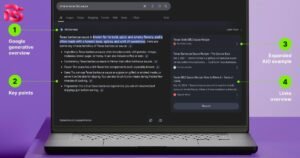
How Do Google AI Overviews Find Supporting Websites?
According to Google Search Central, these AI experiences build on Search ranking and quality systems. They can use retrieval-augmented generation (RAG), meaning that search results help ground AI-generated responses in retrieved information. Query fan-out means a system may explore related questions or subtopics while preparing an answer.
Related service pages, buying guides, and articles can explain connected questions. However, Google AI Overviews citations are dynamic; publication never guarantees a link or recommendation.
Why AI Search Matters to Businesses in 2026
Traditional rankings remain valuable, but a potential customer may now encounter an answer before opening a website. Google AI Overviews can therefore influence which sources people notice while researching a local service, comparing products, or learning about a complex purchase.
Some users will not click; others will investigate a linked source. Measure enquiries, bookings, purchases, and other conversions alongside visibility.
| Search experience | What users typically see | Business opportunity |
|---|---|---|
| Traditional organic results | Ranked web pages and snippets | Earn a relevant click |
| AI Overviews | A generated summary with supporting links | Be a useful, discoverable source |
| Google Maps/local results | Businesses, reviews, locations, and contact options | Win nearby enquiries |
How to Optimize for Google AI Overviews: Eight Practical Steps
The following workflow combines foundational SEO with reader-friendly content improvements. None is a secret ranking formula for generative Search. Together, they make your website more accessible, useful, and convincing to prospective customers.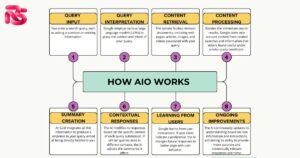
1. Fix crawling, indexing, and snippet eligibility
Start with technical SEO. For Google AI Overviews, Google says supporting pages must be indexed and eligible to appear with a snippet. Check Google Search Console’s URL Inspection report, robots.txt rules, canonical URLs, accidental noindex directives, and HTTP errors. Ensure essential text is accessible to Googlebot, including where JavaScript is used.
Link important commercial pages from navigation and relevant articles so crawlers and visitors can find them.
2. Research real questions and search intent
For Google AI Overviews, useful research starts with a customer’s problem, not merely a high-volume keyword. Group related questions into informational, comparison, and purchase stages. Review your Google Search Console queries, sales conversations, customer support questions, and competing search results.
A dental clinic could address crown costs, lifespan, and alternatives in one relevant guide instead of publishing repetitive pages.
3. Write answers that stand alone
Make explanations easy to understand even when a reader lands halfway down the article. Each important section should answer its heading promptly, then add necessary context, examples, and limitations. This can help human readers understand the page and makes Google AI Overviews-related topics easier to navigate.
Example: “A Google Business Profile helps eligible businesses manage their information on Search and Maps.” Then explain setup, categories, hours, and verification.
4. Publish original, verifiable information
A strong page contains something that could not be copied from a generic template: firsthand observations, photographed examples, a documented process, or a clear comparison based on defined criteria. Google emphasizes this kind of non-commodity content in its official guidance for Google AI Overviews and related Search features.
Identify the author, show relevant expertise, and cite primary sources. E-E-A-T stands for experience, expertise, authoritativeness, and trustworthiness; it is not a plugin score.
5. Strengthen semantic content and internal links
Semantic SEO connects related concepts without repeating exact-match terms. Link to deeper resources when they help readers understand technical SEO, search intent, or measurement.
Well-planned AI SEO consulting, Answer Engine Optimization (AEO), and Generative Engine Optimization (GEO) support this approach by improving how your information is organized and understood. Google considers these practices part of broader SEO, not separate eligibility systems for generative Search.
6. Use accurate structured data without schema myths
Use schema.org JSON-LD to describe what is genuinely on a page: an Article or BlogPosting, an author, breadcrumbs, a product, or an eligible business. Keep structured data consistent with visible text. Schema does not guarantee that Google AI Overviews will cite your website, and there is no special “AI Overview schema.”
Never invent reviews or prices. FAQPage markup should describe real FAQs, but ordinary commercial blogs generally do not qualify for Google’s restricted FAQ rich results.
7. Make images, mobile experience, and trust details useful
A page that explains a process with an original annotated screenshot or comparison image can be more useful than a wall of text. Compress images, write descriptive alt text, use readable mobile layouts, and check Core Web Vitals. These changes improve the experience for people arriving from Google AI Overviews or ordinary search results.
Show real contact details and transparent booking, delivery, or service terms. Avoid unverified testimonials.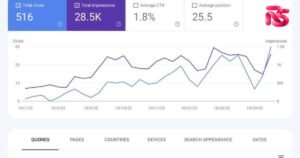
8. Improve the page based on evidence
A single publication is not the end of optimization for generative Search. Revisit pages when your prices, service areas, product availability, regulations, or source information change. Merge overlapping pages if they compete for the same intent, and update weak explanations when readers repeatedly ask follow-up questions.
Keeping facts current also matters when your pages are linked from Google AI Overviews. Document meaningful changes; do not change dates just to appear fresh.
Google AI Overviews for Local Businesses: What Should Change?
For local businesses, Google AI Overviews readiness starts with accurate information that matches how people choose providers. Your Local SEO services strategy should connect the website with an eligible and well-maintained Google Business Profile optimization process.
A roofing company’s pages should explain inspections, repairs, service areas, costs, and booking. Use genuine project photos, consistent contact details, and authentic reviews.
Google recommends current business details. Improve the website and local listings together; neither guarantees an AI citation.
Google AI Overviews for Ecommerce: How Can Stores Prepare?
For online stores, Google AI Overviews may surface while buyers compare features, compatibility, quality, or price considerations. Strong ecommerce SEO therefore includes useful category descriptions, clear product specifications, original product images, availability, shipping terms, and trustworthy returns information.
An office-chair retailer can explain seat depth, lumbar support, materials, and sizing. Add accurate Product structured data and keep Merchant Center feeds aligned with landing pages.
Discuss trade-offs instead of declaring every product “best.”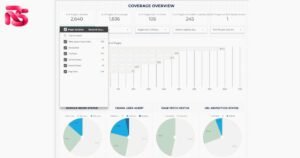
How Do You Measure Google AI Overviews Visibility in 2026?
Google introduced dedicated generative-AI performance reports in Search Console in June 2026 and states that the insights rolled out worldwide by August 31, 2026. These reports include impressions, appearing pages, countries, devices for Search, and time trends. Use them to observe Google AI Overviews visibility, while remembering that AI Overviews and AI Mode may be grouped within broader generative-AI reporting.
Combine these observations with Search Console Web performance, GA4 conversions, and sales data. An impression is not a visit.
A practical monthly measurement routine
Record appearing pages, impressions, clicks, enquiries, and sales. Google also rolled out a Search Console participation control worldwide in 2026; review the consequences before changing it.
Common Mistakes and What AI Search Optimization Costs
Avoid near-duplicate pages, generic AI copy, misleading schema, indexing neglect, fake brand mentions, and citation guarantees.
Costs depend on technical problems, website size, content needs, and competition. There is no Google fee for organic eligibility. Many small businesses can begin with a focused audit and a few high-priority page improvements.
Frequently Asked Questions About Google AI Overviews
Can any website be cited in AI answers?
A page may be eligible when Google has indexed it and it can appear with a search snippet, subject to Search policies. Eligibility does not guarantee that the page will be linked in an AI answer.
Is traditional SEO still important for AI Overviews?
Yes. Technical accessibility, helpful original content, relevant internal links, and a good user experience remain core SEO practices and matter for generative Search experiences.
Do I need special schema markup for AI Overviews?
No. Google says there is no special AI-specific schema requirement. Use supported structured data when it correctly describes visible content.
Can a small local business compete with larger websites?
A smaller business can publish distinctive local expertise, useful service explanations, and accurate business details. No business size or particular ranking position guarantees selection.
How long does Google AI Overviews optimization take?
There is no universal timeline. Fixing a crawl problem can be quick, while indexing, rankings, citations, and lead growth depend on Google’s systems and your competition.
Can I track AI Overview appearances in Search Console?
Yes. Google’s generative-AI performance reports offer dedicated visibility data. Read the report definitions carefully and compare them with overall web-search performance.
Will AI Overviews reduce my website traffic?
They can change click behavior. Some searches may be answered without a visit; others may lead readers to valuable sources. Measure qualified clicks and conversions rather than assuming a uniform effect.
Should I hire an AI SEO consultant?
Consider specialist help if you have indexing problems, unclear search intent, weak service pages, ecommerce catalog issues, or limited reporting capacity. Ask for a defined audit, realistic priorities, and transparent deliverables not a citation guarantee.
Final Takeaway: Build a Site Worth Visiting
Google AI Overviews do not replace the fundamentals of organic growth. Build crawlable pages, answer real customer questions, publish verifiable expertise, keep business and product information accurate, and track outcomes. A sound AI SEO strategy should improve the experience for people whether they arrive from a generated summary, a normal listing, or Google Maps.
I provide SEO audit, technical SEO, and AI SEO consulting services for local businesses and ecommerce brands. Start with your highest-value pages not shortcuts.